An 11-Week Developmental Journey for Women
Blossoming Lotus
You learned how to become the woman your life required.
Now you get to discover the woman you are capable of becoming.
This is for women who have already developed considerably — and can feel that there is more of themselves waiting to become available.
JOIN BLOSSOMING LOTUS
MAYBE YOU'RE VERY GOOD AT TAKING CARE OF YOURSELF
You Make The Decisions
Earn the money. Solve the problems. Remember what everyone needs. Hold things together when other people fall apart.
You say you want support, and then someone does something differently than you would and you take it back over.
You want a strong man, but somehow find yourself in relationships where you're managing, reminding, teaching, correcting, compensating, or carrying more than you want to.
You want to receive, but depending on someone can make your whole body tighten.
You know how to be desired. You're less certain you've learned how to stay connected to your own desire.
You can tell when everyone else in the room is uncomfortable before you've even noticed what's happening inside you.
You say yes and realize later that you meant no.
Or you've become very good at saying no and wonder whether some of your boundaries have quietly become walls.
Another woman walks into the room and something happens before you've had time to think. Comparison. Admiration. Competition. Judgment. Curiosity. A tiny contraction you would probably never admit out loud.
You can run a company, raise children, manage a household, care for aging parents, make hard decisions and handle extraordinary responsibility.
And there may still be parts of being a woman that nobody ever taught you how to inhabit.
Blossoming Lotus is about those parts.
JOIN BLOSSOMING LOTUS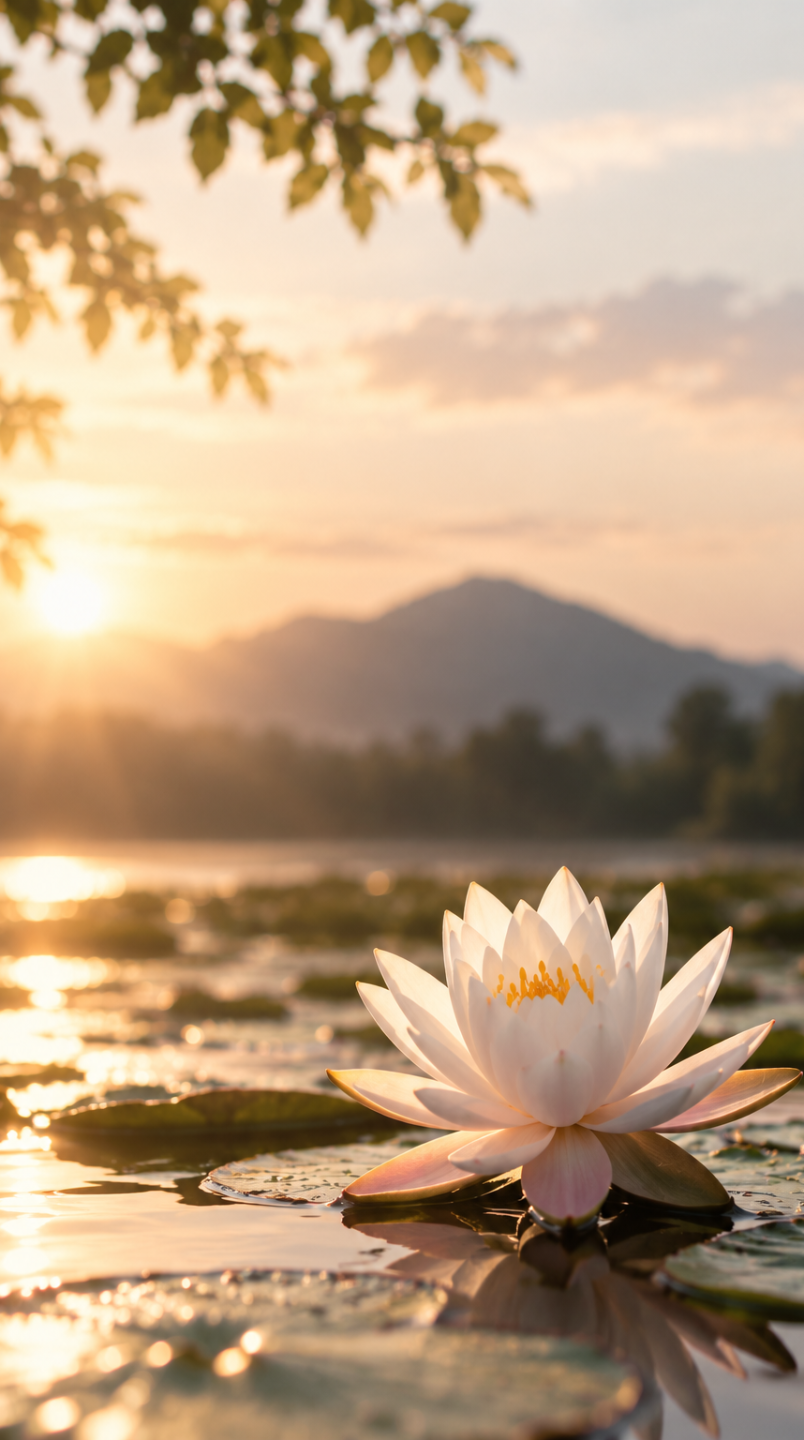
How Did We Get here?
I think this is one of the most important questions women can ask.
Because none of us invented our version of womanhood from scratch.
We inherited it.
From our mothers and grandmothers.
From our fathers and the way they related to women.
From religion, culture, beauty standards, marriage, money, sexuality, family roles and the relationships we watched growing up.
And from the history women lived through before us.
For much of human history, women had far less control over money, property, education, reproduction, marriage, sexuality and the direction of their own lives.
Women adapted.
They learned to accommodate. Anticipate. Endure. Caretake. Influence indirectly. Remain desirable. Stay useful. Keep families together. Read the emotional environment. Survive things they couldn't simply leave.

Then the world changed.
Women gained freedoms previous generations fought extraordinarily hard to make possible.
We became educated. We earned our own money. Built careers. Started companies. Owned property. Left marriages. Led organizations.
Created lives our grandmothers may never have imagined were available to us.
And we developed again.
We became extraordinarily competent at independence, achievement, responsibility, endurance, self-reliance and making things happen.
History can change faster than human development.
You can have a modern life while carrying very old ideas about love.
You can earn your own money and still unconsciously look to a man for the safety you haven't learned to create for yourself.
You can reject dependence so completely that you lose access to healthy interdependence.
You can carry legitimate anger about what women have experienced and have no idea what to do with that anger except harden around it.
You can want a strong man and repeatedly choose men you don't fully trust, then become more controlling, managerial or maternal because you don't feel safe enough to let go.
You can be enormously successful and still have no model for what it means to be a woman who consciously stewards her own money, power, body, sexuality, relationships, energy and life.
And then, after generations of being told how women should behave, we're handed another instruction:
Get into your feminine.
I don't think women need another version of womanhood to perform.
I think we need development.
PROBLEM REFRAME
The Adapted Woman
Every woman has adapted.
Some of those adaptations are ancient. Some belong to your culture. Some came through your lineage. Some developed inside your own childhood and relationships.
And many of them became genuine strengths.
Maybe you became exceptionally good at being useful.
Independent. Desirable. Easygoing. Strong. Needed. Accommodating. Successful. Self-contained. Responsible. Sexy. Spiritual. Maternal. In control.
The question is whether you have range.
Maturity gives us more range.
That's where Blossoming Lotus begins.
PHILOSOPHY
You Don't Need Another Feminine Ideal.
I don't believe mature womanhood means becoming softer, more receptive or less ambitious.
And I don't believe the answer to generations of female suppression is simply becoming harder, more independent or more dominant.
Both can become another identity to hide inside.
Blossoming Lotus looks at womanhood developmentally.
We begin by understanding what shaped you.
Then we explore what was suppressed, distorted, overdeveloped, underdeveloped or never given enough room to emerge.
And we work with those places in your actual life.
Because reclaiming something is only the beginning.
Finding your anger doesn't teach you how to use anger wisely.
Finding your voice doesn't teach you when to speak.
Discovering your sexuality doesn't give you sexual discernment.
Learning boundaries doesn't automatically teach you how to remain relational while holding one.
Financial independence doesn't necessarily create financial maturity.
Accessing power doesn't teach you how to wield power responsibly.
And learning about feminine energy doesn't make you a developed woman.
Development happens when more capacities become available to you and you learn how to use them consciously.
That is the work of Blossoming Lotus.
WHY A GROUP
Why We Do This With Other Women
You can understand an enormous amount about yourself alone.
There are other things you can only discover in a relationship.
The group isn't simply where Blossoming Lotus happens.
Relationship is part of how we develop.
PROGRAM CURRICULUM
The Journey
Blossoming Lotus moves through four developmental phases.
PHASE 01
REMEMBERING
How did I become the woman I am?
Understanding the story that shaped you.
Your lineage. Your family. Culture. Money. Beauty. Sexuality. Power. Relationships. The expectations you inherited.
We begin by seeing your life inside a much larger story.
EVOLVE: Energetics + Origin
PHASE 02
RECLAIMING
What didn't have enough room to develop?
Meeting the parts of yourself that were suppressed or never given enough space.
Your body. Instinct. Anger. Desire. Sexuality. Pleasure. Voice. Power. Rest. Receiving. Creativity.
We don't exile those parts. We learn what they're telling us.
EVOLVE: Energetics + Values
PHASE 03
RISING
What does mature womanhood require of me now?
Turning reclamation into development.
Discernment. Boundaries. Self-responsibility. Financial adulthood. Relational maturity. Power. Softness. Independence. Interdependence. Sexuality.
You begin developing capacities your earlier life may never have required—or allowed.
EVOLVE: Values + Vision
PHASE 04
RADIATING
How do I actually live as this woman?
Bringing everything together in the life you're actually living.
Relationships. Money. Work. Body. Sex. Beauty. Aging. Power. Leadership. Partnership. Purpose. Pleasure. Contribution.
This is embodiment.
You're developing enough range to meet more of your life as yourself.
EVOLVE: Vision + Embodiment
Throughout the entire journey, we work with Living: the body, health, rhythms, practices and everyday choices through which development becomes a life.
THE TRANSFORMATION
What Changes?
Sometimes development looks surprisingly ordinary.
You realize you're angry while you're still in the conversation instead of three days later.
You let someone help you without correcting how they do it.
You know what you want before asking what everyone else wants.
You meet a powerful woman and feel curiosity where comparison used to take over.
You say no without writing a five-paragraph explanation.
You stop trying to turn a man into someone you could trust and become much better at discerning whom you trust in the first place.
You can be cared for without immediately needing to repay it.
You stop confusing being needed with being loved.
You take your money seriously.
You create structure around your own dreams instead of continually pouring your best energy into someone else's.
You become more capable of creating safety for yourself, which changes what receiving from another person means.
You feel powerful without becoming hard.
Soft without becoming passive. Relational without disappearing. Independent without having to prove you need no one.
You have more access to yourself.
That is the Whole Woman I mean.
Not perfected. Not finished. More developed. More conscious. More capable of meeting the complexity of her life.
SOCIAL PROOF
What Women Experience in this Work

Another client, Monica, described our work this way:
“Working with Naomi enabled me to connect to my inner child and resolve many of my childhood traumas, patterns and triggers. I have never had anyone take me so deep into my own body and psyche.”
— Monica
One of my clients, Cathy, came to this work in her 60s after years of conflict and frustration in her family, marriage and work. As she began recognizing... Her relationships with her husband and children began changing...
“For the first time in my life, I love myself.”
— Cathy
And Jacquelyn Somach, a Doctor of Clinical Psychology, told me:
“I felt a shift after the very first session. I continue to feel empowered by the container Naomi provides and the tools she's taught me.”
— Jacquelyn Somach, Doctor of Clinical Psychology
This is the depth of work I bring into Blossoming Lotus, in a developmental experience created specifically for women.
FOUNDER STORY
Why I Created Blossoming Lotus
I've been studying human development since 1997.
At the time, some of what we now call coaching was called spiritual counseling. From the beginning, I was studying family of origin, personality patterns, relationships, beliefs, consciousness, Ayurveda and constitution, health, energetics, meditation, yoga and the body.
Alongside that work, I spent 24 years in full-time clinical practice, often seeing 25 to 30 people every week.
Over nearly three decades, I've continued studying attachment, nervous-system regulation, somatic psychology, trauma and survival patterns, relationships, couples work, parts work, embodied facilitation, masculine and feminine dynamics, functional health, Ayurveda, meditation, yoga and consciousness.
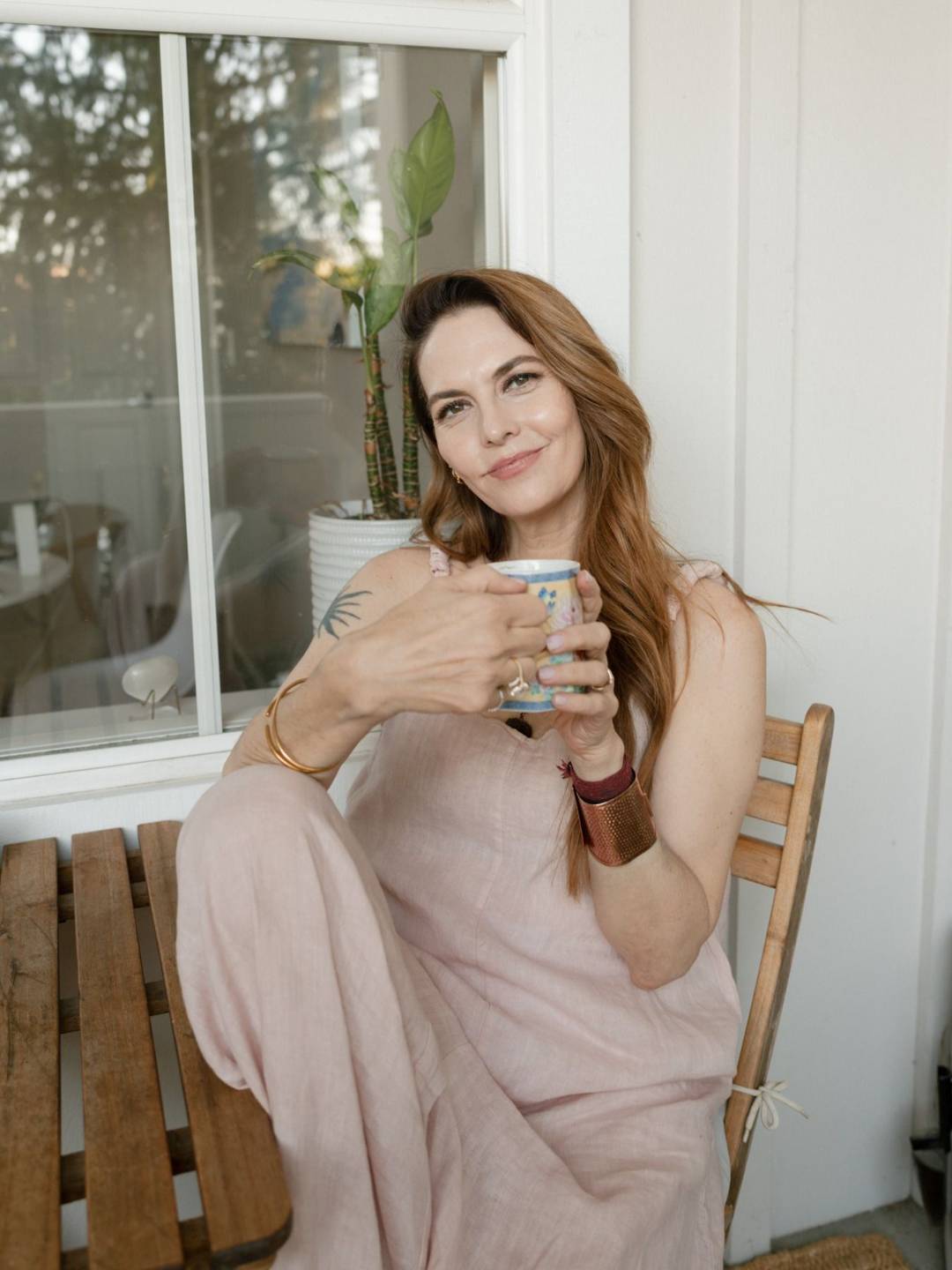
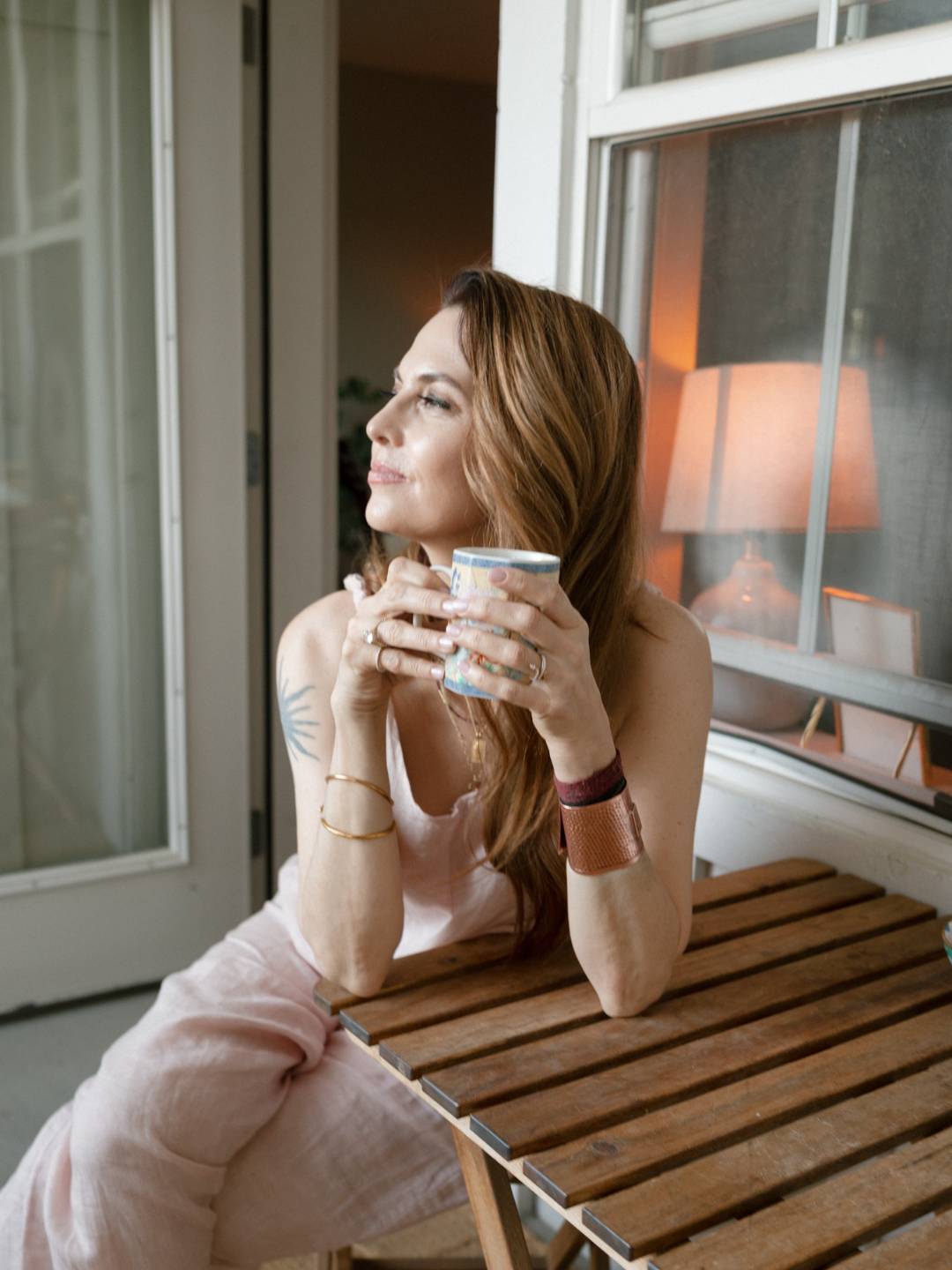
And I've lived through a great deal of this inquiry myself.
I've known what it is to become highly capable and still question whether I could truly create safety for myself.
I've had to examine the ways I chose men, the places I became maternal or controlling when I didn't trust what was happening, and the difference between my own history being activated and a relationship genuinely asking something of me.
I've had to develop my relationship with money, business, power and responsibility.
I've had to learn how to direct my energy toward my own life instead of continually using it to support, develop or care for everyone around me.
And I'm still developing.
I don't teach womanhood from the position of having completed it.
I teach from nearly thirty years of studying what shapes people, what helps us change, and what becomes possible when we consciously participate in our own development.
Blossoming Lotus is where I bring that work specifically to women.
IS THIS FOR YOU
Is Blossoming Lotus for you?
This is for women who want depth.
Women willing to look at themselves without making themselves wrong.
Women interested in their bodies, histories, relationships, sexuality, money, power, femininity, masculinity, patterns and possibilities.
Women who want to understand the larger story they inherited and become more conscious about what they carry forward.
Women who have already developed considerably and can feel that there is more of themselves waiting to become available.
You do not need to arrive healed. You do need to arrive willing.
WHAT'S INCLUDED
11 weeks of live developmental work with me
A small cohort so there is enough intimacy for real coaching, relationship and depth.
Live group coaching and teaching
The calls are the heart of the program. I teach the frameworks we need and work directly with what is alive in the women in the room.

Practices and client education materials
Selected tools and frameworks from my private work to help you continue the inquiry between sessions.

Private portal
Recordings and resources from the journey.

Community space
A private place for reflection, connection and conversation between calls.
CLOSING VISION
Perhaps this is part of what our generation gets to do.
The women who came before us developed extraordinary capacities to meet the lives they were given.
We inherited many of those capacities.
We also inherited possibilities they did not always have..
More autonomy. More language. More choices.
More knowledge about our bodies and psychology.
More freedom to ask what we actually want.
I think one way we honor what came before us is by continuing the development they made possible.
By becoming women who can create and receive.
Lead and relate. Discern and surrender. Build and rest.
Stand on our own feet and allow ourselves to be deeply met.
Love men without abandoning ourselves or needing to diminish them.
Stand beside other women without diminishing ourselves or them.
Steward our bodies, money, sexuality, power, relationships and lives with increasing consciousness.
And keep developing.
Because none of us is finished.
What kind of woman becomes possible when survival is no longer the only thing shaping who you become?
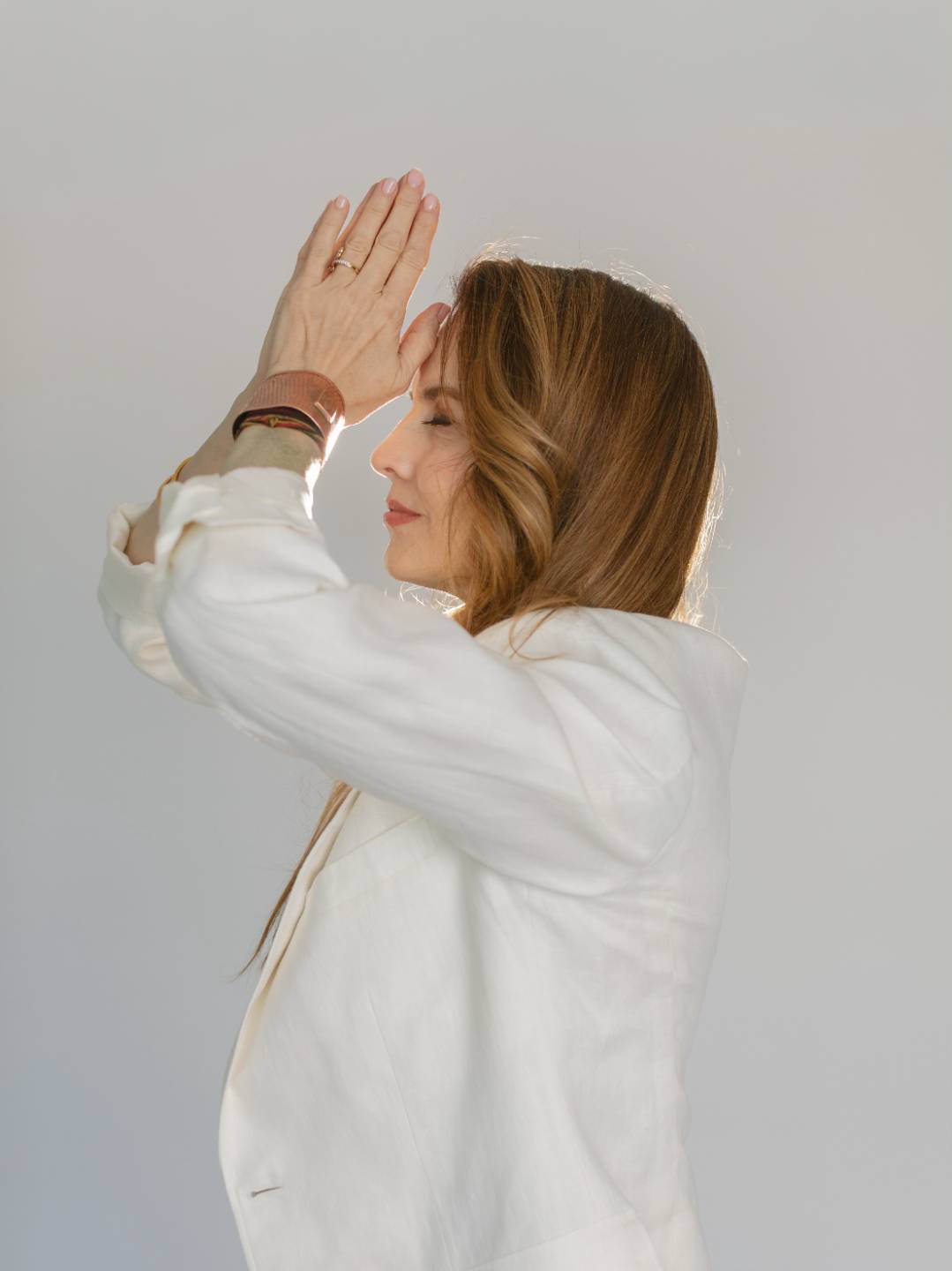
Blossoming Lotus
11 weeks. Small cohort. Begins the last week of September.
This first cohort is offered at a founding member investment of $1,697
Payment plans are available.
Women who join this cohort are the ones who shape what this container becomes. I work differently when I know the women in the room. This is the closest access to this work at this investment — it will not be offered again at this price.
JOIN BLOSSOMING LOTUS